 New
New

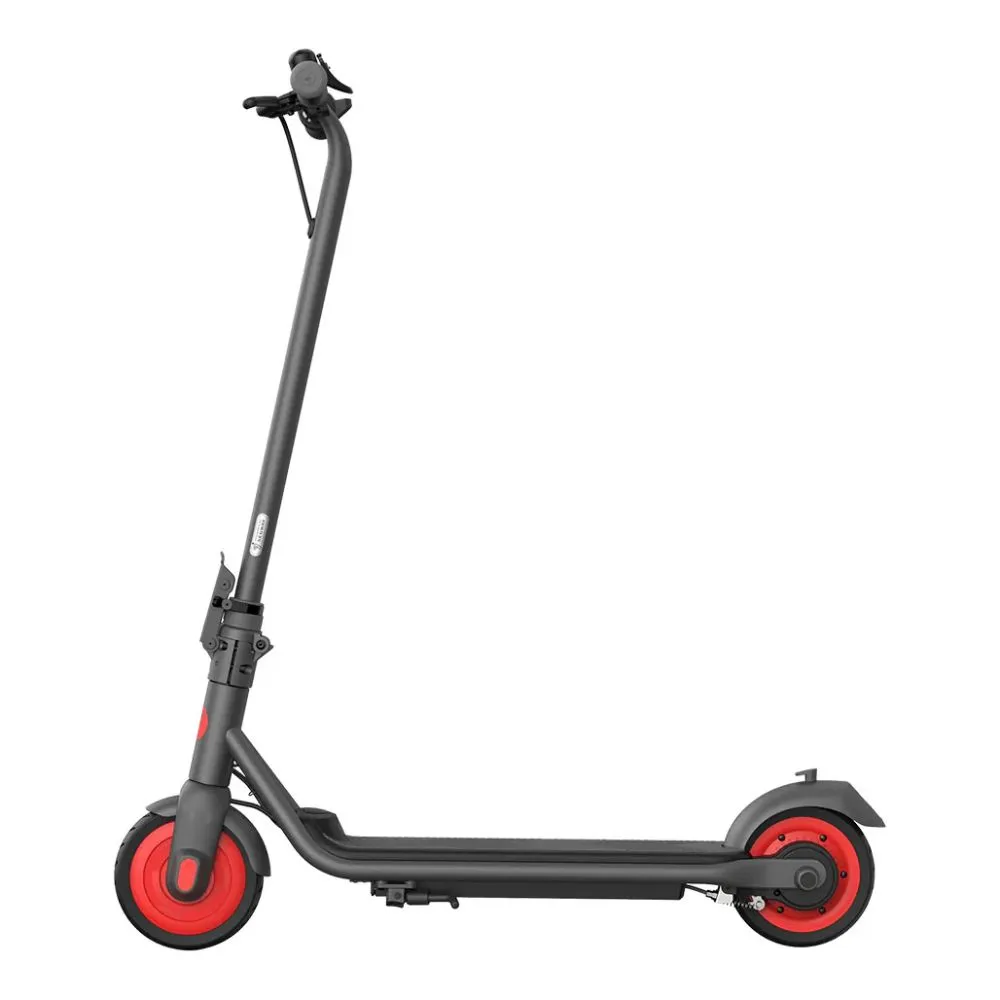
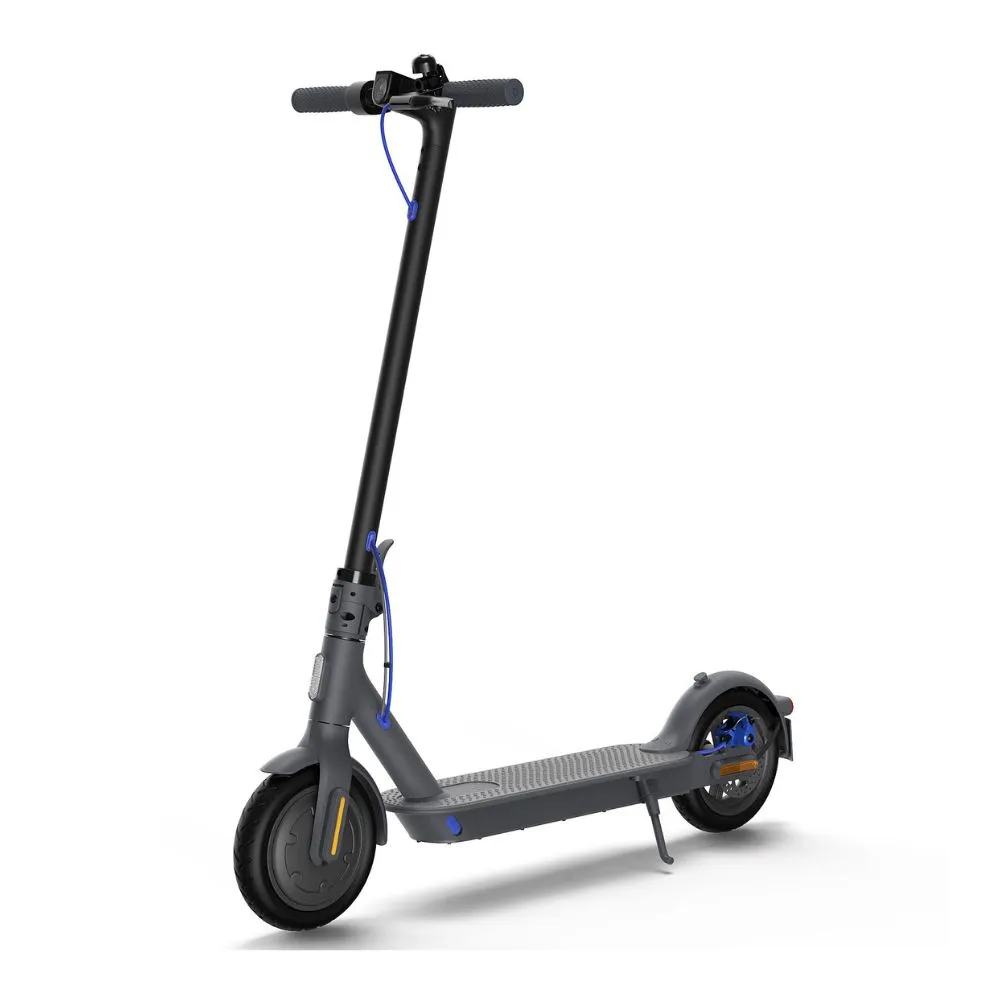
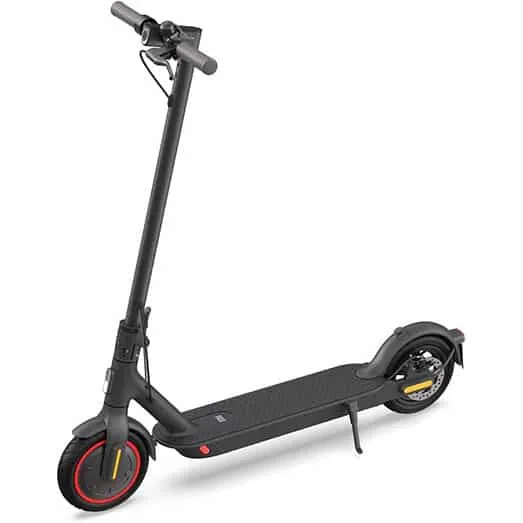
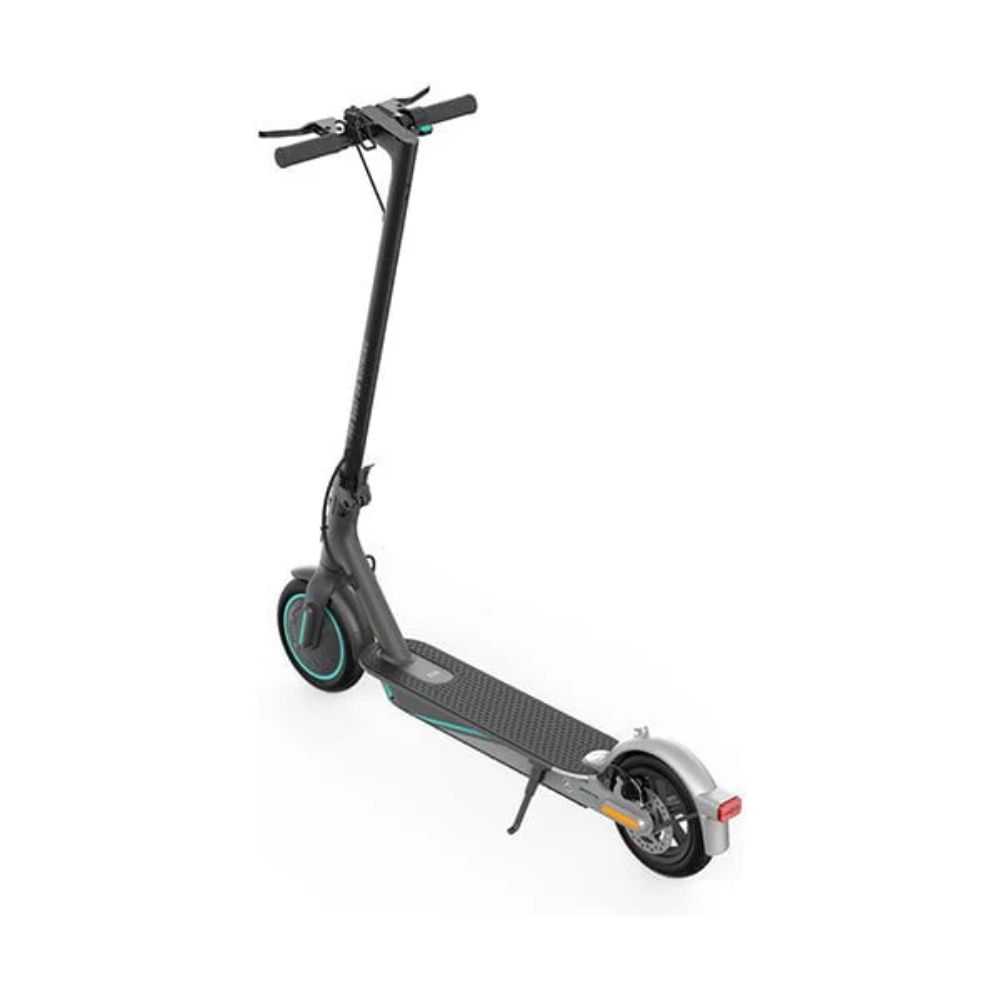
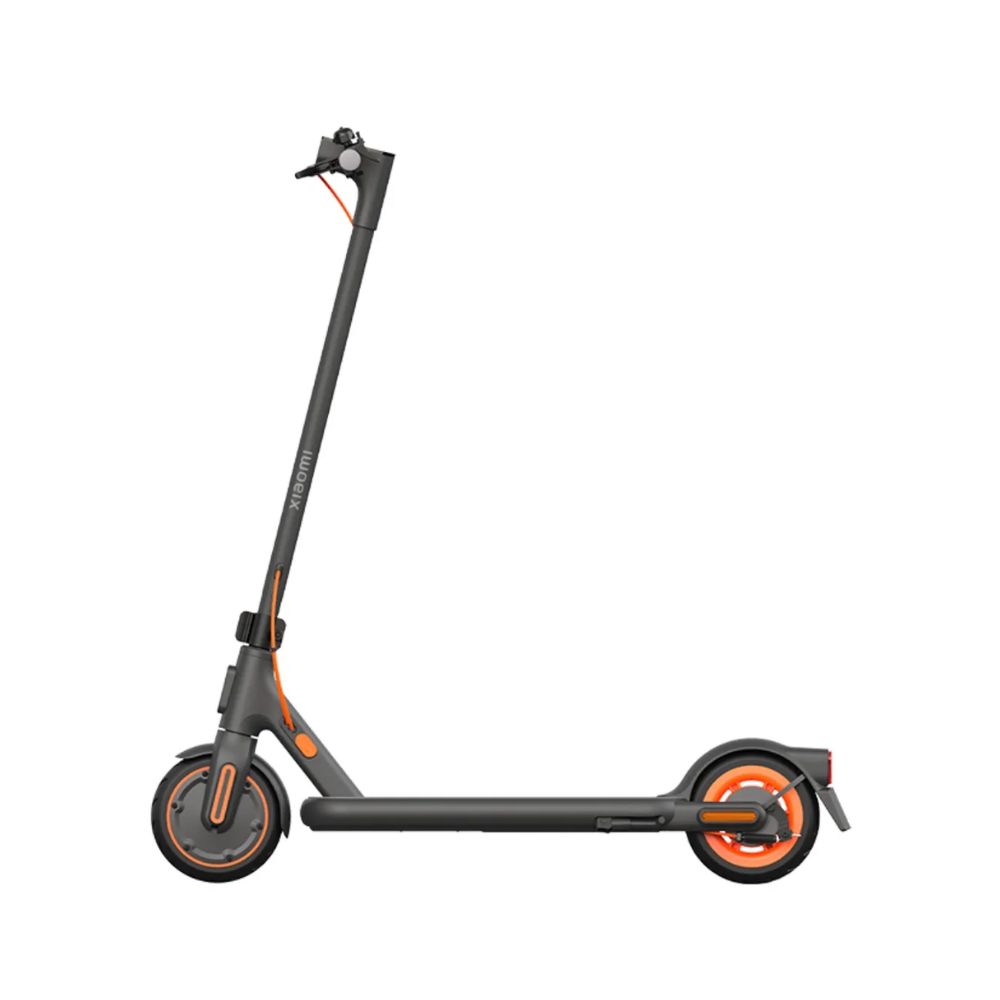
Brand: Xiaomi Special features: Foldable Weight limit: 120 Kilograms Maximum speed: up to 25km/h Maximum 300W output powers the scooter to ride easier and more comfortable Dual Braking System Connects to Xiaomi Home App Pneumatic 8.5 Inch Tire
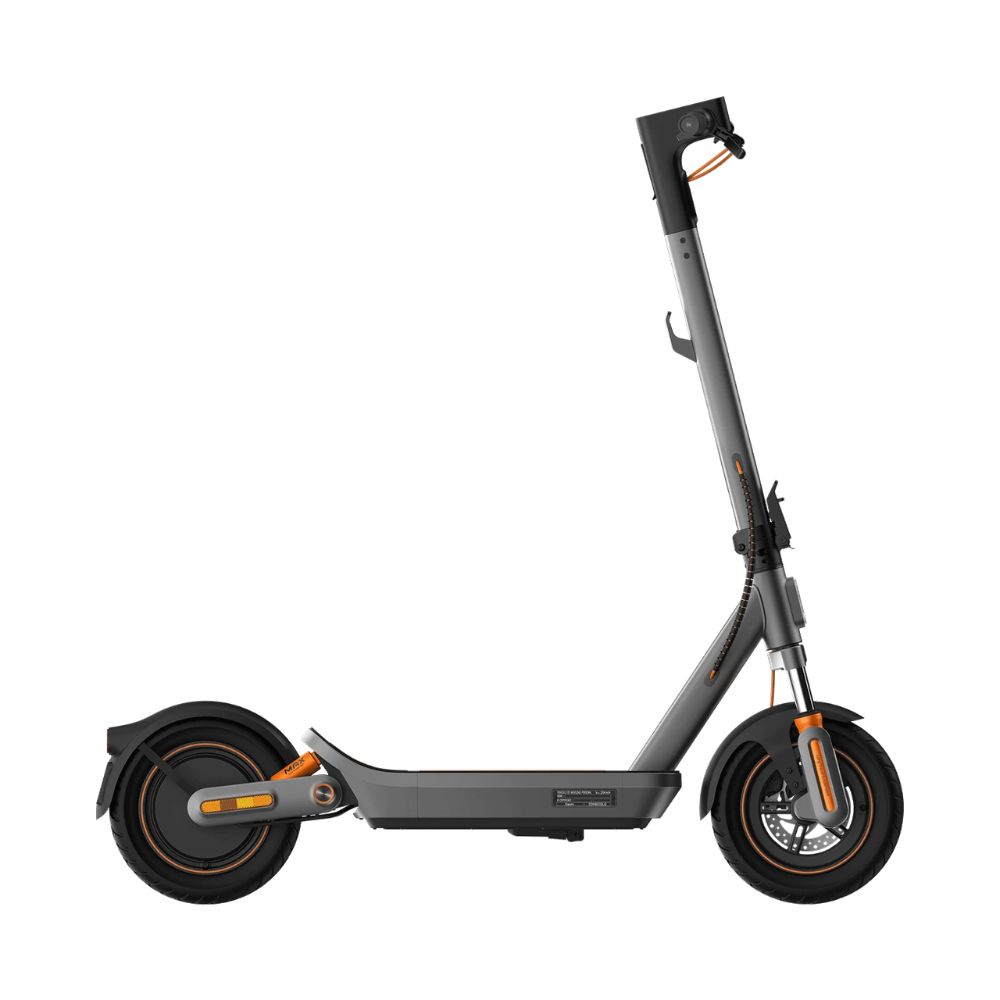
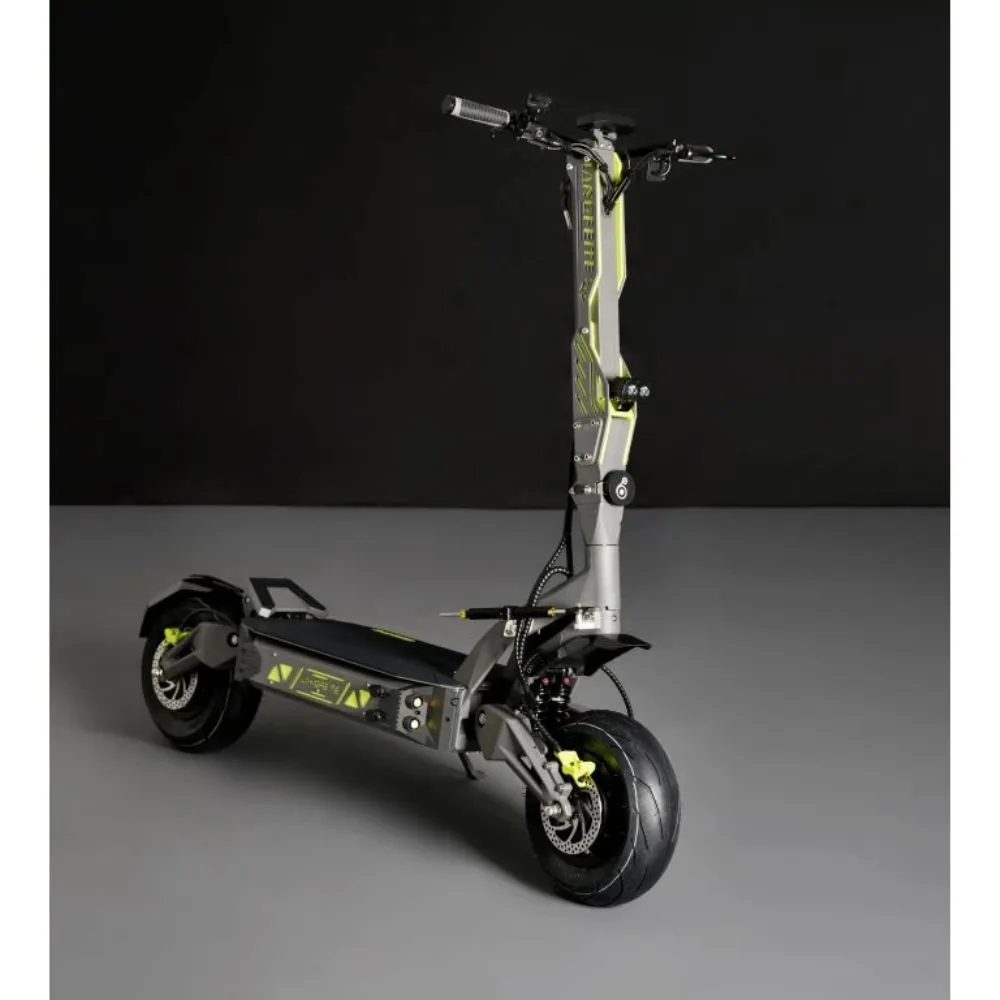
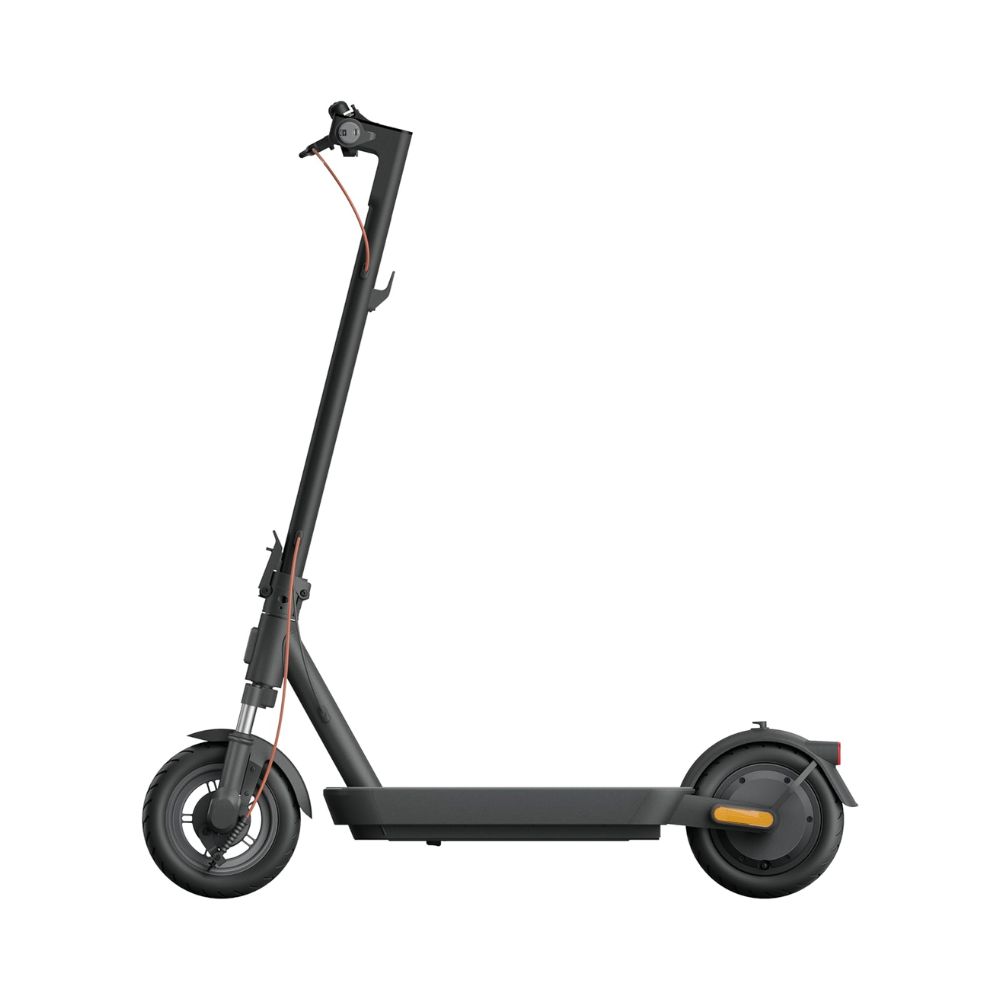
The Electric Scooter 4 series from Xiaomi has grown this week. In addition to the already introduced Electric Scooter 4 Pro and the Ultra model, there is now also a standard and a Lite variant, which have become significantly cheaper. NextPit shows the advantages and disadvantages of the four different scooters as well as the technical specifications in comparison.
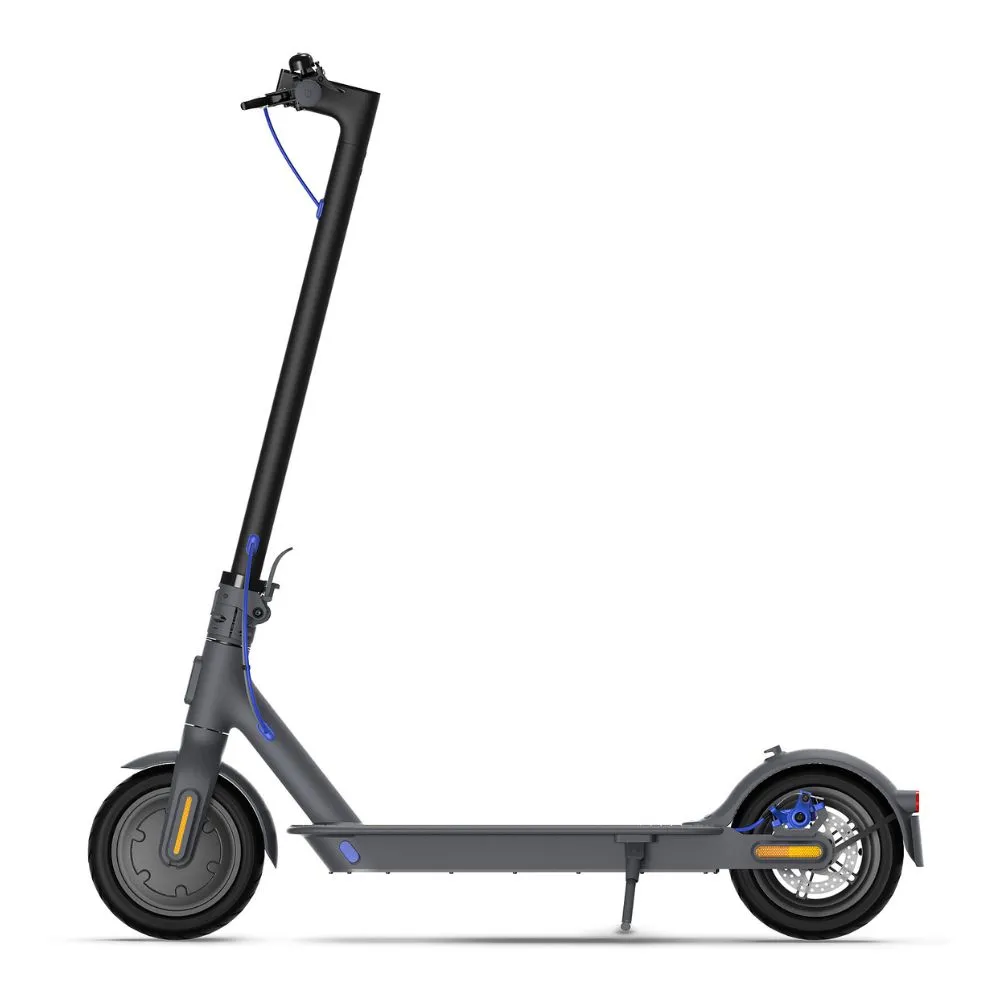
The scooter’s battery is located in the base and the frame itself is built from an aluminium alloy like most e-scooters. At 13.2 kg, it is slightly heavier than the 1S but, as you are not paying for a carbon fibre frame, it would be churlish to complain about the weight. Unlike the 1S, but like the original M365, Xiaomi have introduced a second colour: in this case an off-white they call “grey”.
The yellow reflectors remain from the 1S, but a dash of blue has been added, with the wires and brake. At some point, Xiaomi will go to the trouble of hiding the wires within the frame but the current folding mechanism does not allow for it. The display on the Mi 3 appears to be the same as the previous range: it shows your speed, battery level and mode (Standard, Pedestrian or Sport). Pedestrian mode limits your speed to 5 km per hour (ie walking speed); presumably so you can ride on pavements without killing people. Standard mode limits your speed to 20 km/h, meaning you that you have to be in Sport mode to reach top speed (25 km/h).
The accelerator is a button on the right-hand handlebar, while there is a bike-like brake on the left, as well as a bell (which cannot be removed if you want to keep the scooter folded). A powerful LED light is built into the front of the handlebar.
As the frame and tyres appear to be the same as the 1S, one can assume it will feel very much like that scooter. With the 300W output found in the Pro 2, one might expect there to be more powerful acceleration. However, I expect firmware will limit the acceleration in the same way it limits speed; meaning the extra power in the Mi 3 will only be useful when going up inclines.
All the Xiaomi scooters are well-balanced and easy to control (as long as you have both hands on the handlebars). With a low centre of gravity, accelerating and braking are easy and effective. Having said that, the low centre of gravity – with the battery located in the base – is offset by a comparatively low clearance, meaning there is tendency to scrape the bottom on pavement edges when pushing the scooter from the pavement to the road or vice versa. If you are not used to riding scooters or skateboards, the first time you ride any e-scooter is likely to be a little nerve-wracking (and most accidents happen within the first ten rides).
On a side note, the UK government’s insistence that electric scooters be trialled with city centre hire schemes before private owners are allowed on the roads is completely counter-intuitive. The idea that the first time you should ride an e-scooter is in a busy city, with heavy traffic and when you are much less likely to have a helmet to hand, rather than in your own residential street at a time of your choosing and with your own helmet, is clearly absurd. It is a classic knee-jerk reaction to the death of one private owner.
The Xiaomi tyres are 8.5 inches in diameter and pneumatic. The idea is that air-filled tyres makes the ride smoother. However, there is no suspension so it is really a trade-off between the two options. The ride is indeed smooth as long as the ground itself is reasonably level. I have ridden Xiaomi scooters extensively, and found that, as long as major potholes are avoided, and a comfortable riding stance taken, most road surfaces can be traversed without issue. Cobble stones are something of a nightmare.
I recommend customers wear a helmet when riding an e-scooter. Most scooter injuries seem to happen when a pothole (or similar) is encountered and the smallish wheels are indeed susceptible to such obstacles. Please read my post Are Electric Scooters Safe? for more information and statistics on the safety of electric scooters. As of July 2021, it is still not legal to ride privately owned electric scooters on public roads in Britain, although few police forces outside of London take much action .
Battery
The battery in the Mi 3 seems to be based on the 1S, but the specs promise an increased power output. In truth, the publicised numbers are not quite adding up across the Xiaomi range now. For instance, as the Mi 3 has an equal power output to the Pro 2, one would expect it to have at least as good a climbing ability as the other variables would seem insignificant; yet it is inferior. It’s possible that, as with some other e-scooter manufacturers, Xiaomi have amended how the calculate the specs – and are trying to give more accurate numbers for real world conditions. Of course, this would mean that all previous models over-promised (and they generally did to a small degree).
Xiaomi claim they have improved battery efficiency further, but give only one example (a sleep mode when the scooter is left on). It is hard to know whether the hardware has been improved, but Xiaomi do tinker with the firmware. For instance, the Pro 2 does not use up the battery’s full capacity (charging instead to about 93% despite the app saying it is at 100%). This trick helps increase the battery’s lifespan (according to people who know about batteries ). Expect performance to drop once the battery level falls below 5%.